
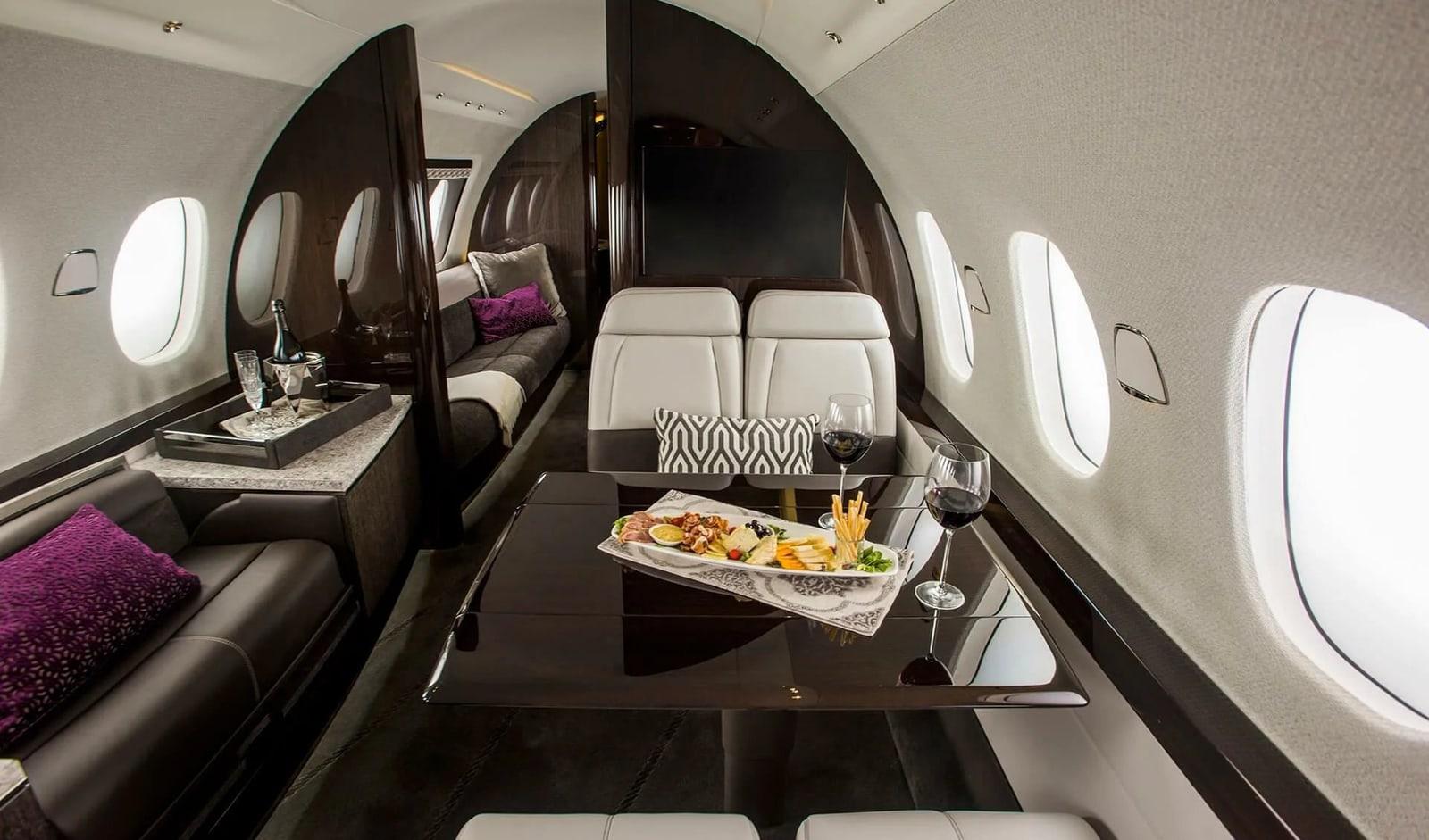
An empty leg is a repositioning flight. When an aircraft has to fly somewhere without passengers — to collect a client or return to base — that leg can be offered at a reduced rate.
For the right traveller, it is one of the clearest ways to fly privately for less. The trade-off is flexibility.
Why they are discounted
The flight is happening regardless. Selling the empty leg offsets a cost the operator would otherwise absorb, so the saving is passed on — sometimes substantially.
Where the flexibility comes in
Empty legs are defined by the aircraft's schedule, not yours. The route, date, and timing are largely fixed, and they can change or disappear if the original booking shifts.
If your dates have room to move, that is an advantage. If your trip is time-critical, a standard charter is the safer choice.
How we use them
When your itinerary has flexibility, we flag relevant empty legs as they appear and hold a standard option alongside — so you capture the saving without risking the trip.
Related reading.
View all →
Aeromedical Transfers from Asia to Europe: Intensive Care in the Air
Most travellers who fall ill in Asia are well enough to fly home to Europe on a scheduled flight. A few are not. For patients in intensive care — and, in the most complex cases, patients on ECMO — the journey to a European hospital is a clinical undertaking in its own right, carried out bed-to-bed on a dedicated air ambulance. Here is how those transfers are arranged, and what shapes them.

Aeromedical Insight - Transfers from the Gulf to Europe
How Patients Travel for Treatment

Aeromedical insight - West Africa to Middle East & India
When the transfer becomes clinical
Ready when you are
Plan your next private flight.
Share your route, timing, and passenger count. Our team returns curated aircraft options with clear pricing.